
Optera Data is aiming to revolutionize archival storage by introducing a new optical disc solution that could significantly reduce costs compared to traditional methods. Led by Dr. Nicolas Riesen at the University of South Australia, the team has developed a technology that leverages fluorescence manipulation in wavebands to enable high-density storage akin to NAND flash.

This innovative approach involves altering the fluorescence properties of nanoparticles within the recording medium, creating spectral holes that encode data in multiple levels. The nanoparticles, made of hexagonal silicon carbide crystals doped with vanadium, react to laser exposure to modify their light emission characteristics, allowing for data retrieval during the read process.
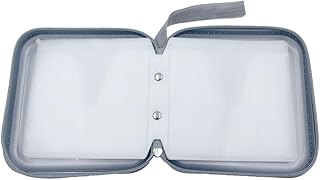
The potential impact of this new optical tech is substantial, with Optera Data envisioning discs capable of storing data at a fraction of the cost of current solutions. Founded by entrepreneur Geoff Macleod-Smith, the startup aims to commercialize the technology for offline security and long-term data preservation, with a focus on energy efficiency and high-density storage.

Optera Data’s whitepaper, authored by Tom Coughlin, predicts a significant increase in overall storage capacity shipments in the coming years, highlighting the growing demand for secondary and archival storage solutions. The company projects that its technology could achieve a total cost of ownership as low as $1 per terabyte, making it a cost-effective alternative to existing storage media.

By tuning lasers to set spectral frequencies for data writing and detecting fluorescence patterns for reading, Optera Data aims to manufacture 1TB discs in the near future, with plans to scale up to 10TB for just $1 by the end of the decade. This competitive pricing would position the technology favorably against industry rivals and potentially undercut magnetic tape storage costs.

Unlike conventional storage methods that rely on continuous power or specialized library systems, Optera Data’s approach offers compatibility with existing optical disc formats. This feature could facilitate its integration into data centers seeking to reduce energy consumption and storage expenses, aligning with the current trend among hyperscalers to prioritize efficiency.

However, the success of Optera Data’s optical technology will hinge on its ability to meet storage density requirements and compete with emerging alternatives like synthetic DNA storage. While the latter offers long-term stability, it may not be commercially viable yet, providing an opportunity for innovative solutions like Optera Data’s optical discs to gain traction in the market.
As the digital landscape evolves and data storage demands continue to grow, advancements in archival technologies such as Optera Data’s optical discs could play a crucial role in shaping the future of data preservation and accessibility, offering a cost-effective and efficient solution for businesses and organizations looking to store vast amounts of data securely and affordably.
📰 Related Articles
- Transform Your Garage with Smart Storage Solutions for Efficiency
- Slyp’s Digital Receipts: Revolutionizing Transaction Efficiency and Sustainability
- Precision Farming Software: Revolutionizing Agriculture for Efficiency and Sustainability
- NetApp and SpectraLogic Partner to Enhance On-Premises Archival Storage
- LTO-10 Tape Format Revolutionizes Data Storage Efficiency